By Sama Al-Ebtikar Foundation for Sustainable Development
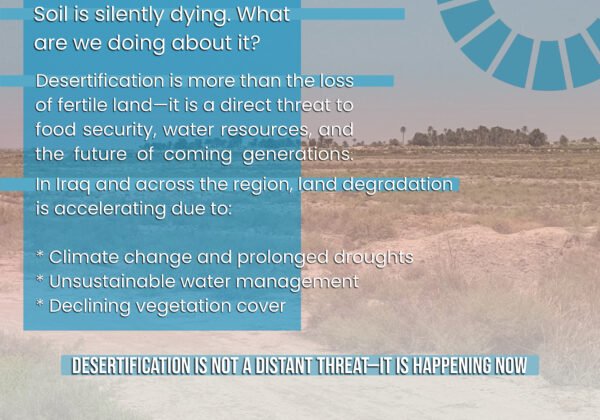
For thousands of years, Iraq has been known as the land of fertile plains and thriving agriculture. As the cradle of civilization, the country’s rivers and agricultural heritage have sustained communities, supported economic growth, and contributed to food security. However, in recent decades, Iraq has faced significant environmental and climatic challenges that have negatively impacted its agricultural sector.
Land degradation, desertification, water scarcity, soil salinity, and climate change have reduced the productivity of vast agricultural areas, threatening livelihoods and increasing dependence on imported food. Addressing these challenges requires a comprehensive approach that combines land restoration, sustainable agricultural practices, and active community engagement.
The Importance of Land Restoration
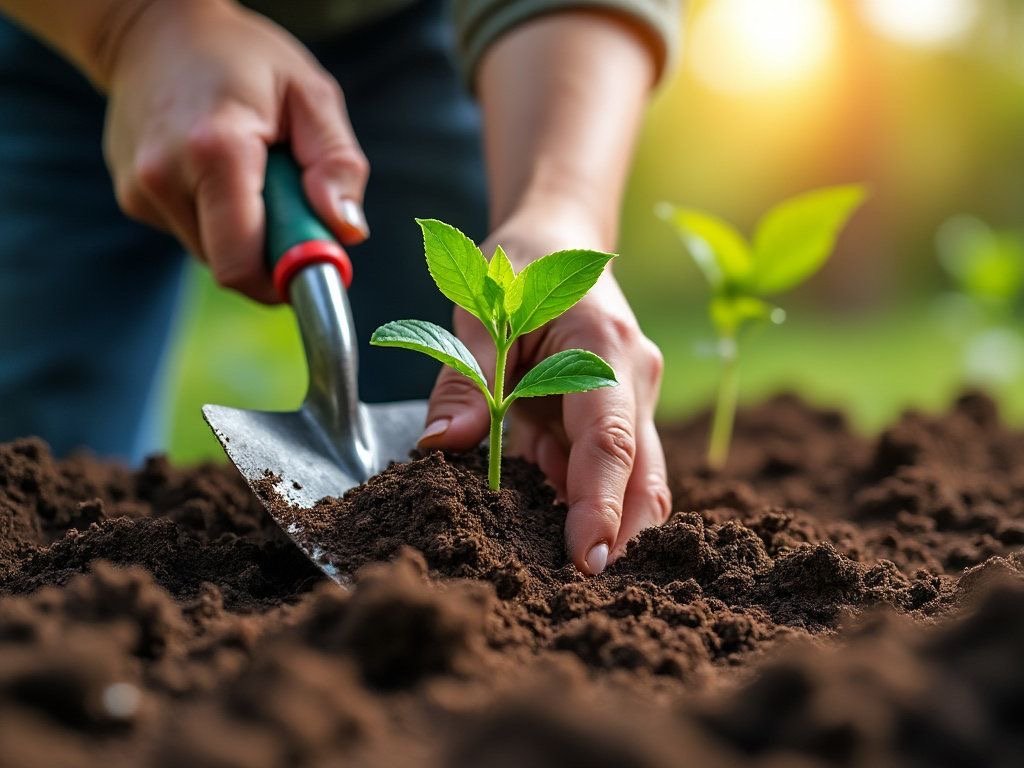
Restoring degraded agricultural land is essential for enhancing food security, improving rural livelihoods, and strengthening environmental sustainability. Through proper land management, soil rehabilitation, efficient irrigation systems, and climate-smart agricultural practices, degraded lands can once again become productive and contribute to local economic development.
Land restoration also plays a critical role in combating desertification, preserving biodiversity, and reducing the impacts of climate change. Healthy agricultural lands act as carbon sinks, improve water retention, and create more resilient ecosystems capable of supporting future generations.
Encouraging Communities to Return to Agriculture
Revitalizing Iraq’s agricultural sector requires more than technical solutions; it requires empowering communities and restoring confidence in agriculture as a viable source of income and development.
Supporting farmers with modern technologies, training programs, access to finance, and market opportunities can help attract young people back to agriculture. Sustainable farming practices such as drip irrigation, conservation agriculture, and efficient water management can improve productivity while conserving natural resources.
Women and youth must also be recognized as key partners in agricultural development. Their participation in agricultural value chains, environmental initiatives, and local enterprises can drive innovation and strengthen community resilience.
Sustainable Agriculture as a Driver of Development
Agriculture remains one of the most effective sectors for creating employment opportunities, reducing poverty, and promoting social stability in rural areas. Investing in sustainable agriculture contributes directly to several Sustainable Development Goals (SDGs), including Zero Hunger, Climate Action, Clean Water and Sanitation, Decent Work and Economic Growth, and Life on Land.
Community-based initiatives, environmental awareness campaigns, and partnerships between civil society organizations, government institutions, and international partners can accelerate efforts to restore agricultural lands and support rural communities.
Sama Al-Ebtikar’s Vision
At Sama Al-Ebtikar Foundation for Sustainable Development, we believe that restoring agricultural lands is not only an environmental necessity but also a strategic investment in Iraq’s future. Through sustainable development projects, environmental awareness programs, climate action initiatives, and community empowerment activities, we strive to promote resilient agricultural systems that benefit both people and the environment.
The future of Iraq depends on healthy ecosystems, productive agricultural lands, and empowered communities. By working together to rehabilitate degraded lands and encourage a return to sustainable agriculture, we can build a greener, more prosperous, and climate-resilient Iraq for generations to come.